
The Miraculous Mucilage: A Botanical Balm for the Inner Fire
A multi-disciplinary Naturopathy physician, Dr. Nivedha blends clinical precision with a deep understanding of the gut-brain axis to address root causes of chronic conditions. Specialising in Ozone Therapy and counselling psychology, she drives the Pema at Home — Continued wellness journey — translating science-backed wellness strategies into lasting health outcomes beyond the retreat.
In a world shaped by chronic stress and convenience-driven habits, the stomach is often the first organ to suffer — and the first to be silenced with a pill. Proton pump inhibitors like omeprazole have become some of the most widely used medications globally, prescribed to quiet the fire within. But in suppressing the symptom, are we extinguishing something the body actually needs?
The PPI Paradox: Suppressing the Agni
In Ayurvedic philosophy, digestive fire — Agni — is the seat of vitality. Stomach acid is not an enemy to be neutralised; it is the body's most powerful digestive and protective force. Yet a 2025 systematic review in the European Journal of Clinical Pharmacology found that nearly 1 in 4 adults globally now use PPIs, with over 45% of sales occurring over the counter without medical supervision.
Long-term use — beyond the recommended 4 to 8 weeks — has been linked to:
- Vitamin B12 deficiency and protein malabsorption
- Hypomagnesemia (lowered magnesium), associated with bone fragility
- Increased susceptibility to infections, as the stomach's acid barrier is compromised
- Disruption of gut microbiome balance, leading to bloating, flatulence, and downstream GI dysfunction
The deeper question is not how to stop the acid — it is how to protect the lining it touches.
Bhindi Mucilage: Nature's Bio-Bandage
The stomach is lined with a naturally protective layer of mucus. When this barrier is compromised — through stress, poor diet, or medication — inflammation sets in. The integrative approach at Pema Wellness asks: how do we restore the barrier rather than suppress what it protects against?
Bhindi, or okra (Abelmoschus esculentus), produces a viscous, polysaccharide-rich gel when cooked — a substance known as mucilage. This botanical gel mirrors the body's own protective chemistry.
Mechanical Protection
Unlike antacids that chemically neutralise pH, okra mucilage forms a physical barrier along the esophageal and gastric lining. This "bio-adhesive" layer provides an immediate buffer — shielding inflamed tissue and allowing the cellular regeneration process to begin, whether in cases of gastritis or peptic ulceration.
Anti-Helicobacter Activity
Emerging research suggests okra mucilage may inhibit the adhesion of Helicobacter pylori — the bacterium responsible for chronic gastritis and peptic ulcers — to the stomach wall. By disrupting bacterial adhesion rather than resorting to broad-spectrum antibiotics, it offers a targeted and ecologically gentle intervention.
Prebiotic Support for the Gut-Brain Axis
Unlike chemical antacids, okra mucilage acts as a prebiotic fibre, selectively nourishing beneficial gut bacteria. This supports the gut-brain axis — the bidirectional communication network whose dysregulation is often the root cause of stress-induced acid overproduction in the first place.
The Pema Method: Okra Mucilage Preparation
This is a simple, kitchen-ready remedy that guests at Pema Wellness learn as part of their culinary medicine practice.
Ingredients
- 4 bhindi (lady's finger / okra)
- 300 ml water
Preparation
- Wash the bhindi and cut into 1-inch pieces.
- Bring to a boil in 300 ml of water and reduce to 100 ml on a low flame.
- Allow to cool completely.
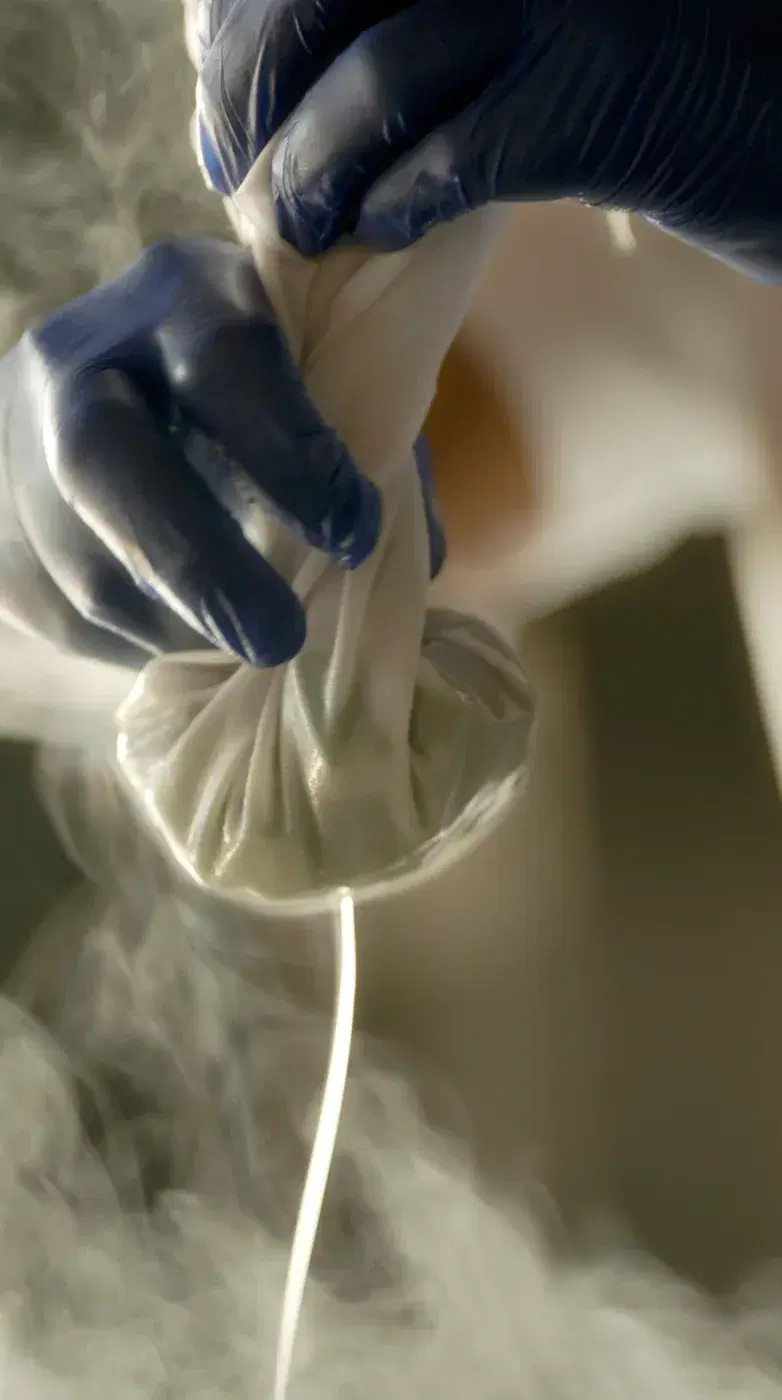
- Strain through a muslin cloth to collect the thick mucilage.
- Consume the filtered liquid.
Pema Prescription
- Dosage: 100 ml per day
- Best taken: On an empty stomach, first thing in the morning
Indicated for:
- Heartburn and hyperacidity
- Gastric, peptic, and duodenal ulcers
- Gastroesophageal reflux disease (GERD)
A Philosophy of Restoration
At Pema Wellness, the kitchen is a clinic. Culinary medicine — the practice of using food with therapeutic intention — sits at the heart of every program. Bhindi mucilage is not a trend; it is biomimicry in its most elegant form: using nature's own design to restore what the body has always known how to do.
If your gut is asking for attention, we invite you to listen — and to begin, perhaps, with a glass of something green and quietly extraordinary.